
AI: removing jobs or enabling change?
Wame Sedirwa (MCIPS): The Practitioner
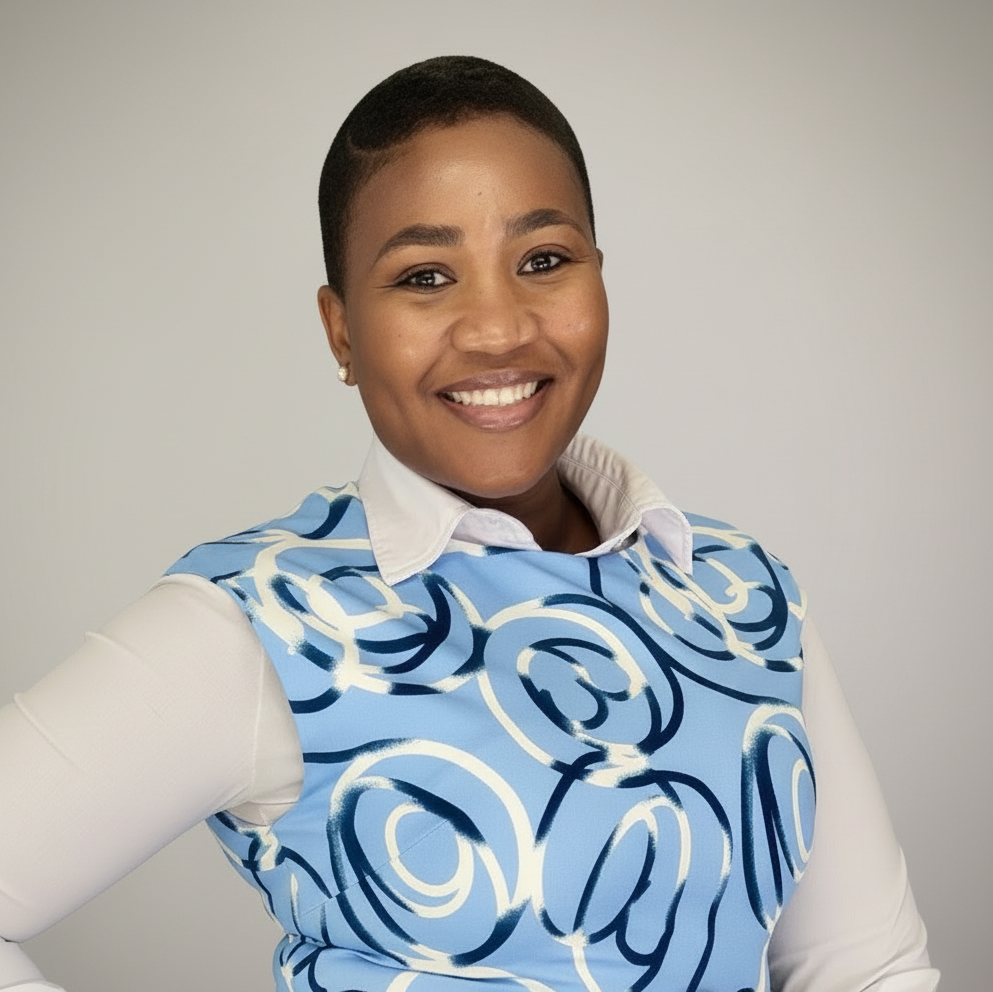
Written by: Wame Sedirwa (MCIPS)
Wame Sedirwa (MCIPS) is the Assistant Manager Procurement for North East District Council, Botswana, and Chairperson of the country’s CIPS branch. An active AI practitioner, she believes AI can transform procurement as the sector confronts major challenges.
AI won’t take jobs - it will change skills. People think AI is coming to take their jobs. Not me. There’ll be a shift in the skills required, and we’ll need people who possess them. It’s important that you continue to use your brain for thinking. It’s very important that we don’t get lazy. For example, a risk analyst who needs to shortlist suppliers can use an AI tool to generate options quickly. Their role then becomes scrutinising the AI’s output and supplier data. AI can handle tasks like invoice matching and flagging queries, but humans still need to validate results and manage relationships.
"It’s important that you continue to use your brain for thinking. It’s very important that we don’t get lazy"

Managing concerns and risks
My interest in AI began whilst studying for my Master’s, and grew as I discussed applications with peers. In Botswana’s public sector, AI adoption remains nascent. Many people don’t even realise WhatsApp has AI capabilities, so I often rely on broadly available platforms like ChatGPT.
Some people who try to introduce AI face pushback or even career consequences. I have seen colleagues question those of us proposing AI solutions, and that kind of resistance can feel punitive. That’s why organisations need clear policies, training, and whistleblower protections, so innovators aren’t penalised for improving efficiency. Protecting staff who responsibly use AI encourages adoption, builds trust in outputs, and ensures ethical guardrails are followed.
I also acknowledge risks: there are concerns about data privacy and intellectual property. Using AI in an ungoverned way can expose confidential organisational information. You must be able to interpret AI outputs and not accept them blindly.
As a risk detector and learning partner, AI has improved my contract work; as I reviewed AI-generated content, I interrogated and verified it. AI flags risks and anomalies you might miss. It helped me identify clauses in a current project that could harm the organisation, enabling us to negotiate clarifications with the investor.
Making life easier
Ever since I started using AI, life has become easier. AI speeds up tasks that once took months. For instance, drafting citizen economic-empowerment guidelines - normally outsourced - took me days using AI, including strategy, monitoring-and-evaluation tools, and contract-ready clauses. We integrated those guidelines into the contract, with monetary and evaluation matrices to track contractor performance.
Drafting Invitations to Tender that once dragged on for months can now take minutes. Procurement professionals have been calling for efficiency for years. Now we have AI.
Botswana faces youth unemployment at around 35%. I argue that young people understand AI, and they have the skills to drive uptake. Government needs to harness that talent. When young managers propose change, they’re often undervalued. Many influential roles aren’t held by procurement professionals, and that creates opportunities for collusion and political influence.
AI can help professionalise procurement. It can attract tech-savvy young people to the sector and produce auditable trails that show who did what. We must balance AI’s efficiencies with human oversight. AI can augment our capabilities, flag risks, and speed up processes - but skilled people must validate the outputs and manage relationships. That combination will take procurement forward.
"Procurement professionals have been calling for efficiency for years. Now we have AI"
The Brand Champion: Sarah Simpson
“There are still going to be entry-level jobs. They’ll just be different jobs that demand different skills”
The Non-Trade Specialist: Belinda West (MCIPS)
"As AI hits puberty, maybe I'll start relying on it"
The Public Sector Voice: Liam Osborn
"It isn’t AI that’s the risk, so much as how we use it"
The Procurement Manager: Georgia Hennessey
"Human connection can’t be replaced"
The Industry Influencer: Imran Shareef (FCIPS)
"AI is already changing the conversation at the leadership table"
The Tail Spend Guru: Oliver Norman
“What AI is going to do for the procurement industry is elevate people into positions where they can do the jobs that technology can’t”
The Thought Leader: Ram Trivedi (FCIPS)
“Any change brings resistance, and AI is going to bring big changes to our way of life”
If generative agents are adopted, we could have a supply chain function operating in a ‘lights out’ way by 2028”