
The collective challenge of preparing for El Niño

Written by: Michael Lewis
Written by: Michael Lewis
Preparing for El Niño isn't just about assessing your own exposure. It's about anticipating how others are likely to react when they see what’s coming too, says Michael Lewis, professor of operations management at the University of Bristol Business School and member of the Global Board of Trustees at CIPS.
The El Niño–Southern Oscillation (ENSO)
First, the science-y bit. The El Niño–Southern Oscillation (ENSO), is a climate system in the tropical Pacific. In its “neutral” state, easterly trade winds push warm surface waters towards Indonesia and Australia, allowing deeper, colder water to rise near South America.
The resulting temperature difference across the Pacific means warmer waters and thus heavier rainfall are concentrated in the west. But variations in tropical atmospheric activity mean that these trade winds can weaken. This reduces the colder water rise and the resulting warming changes rainfall patterns, which can further weaken trade winds.
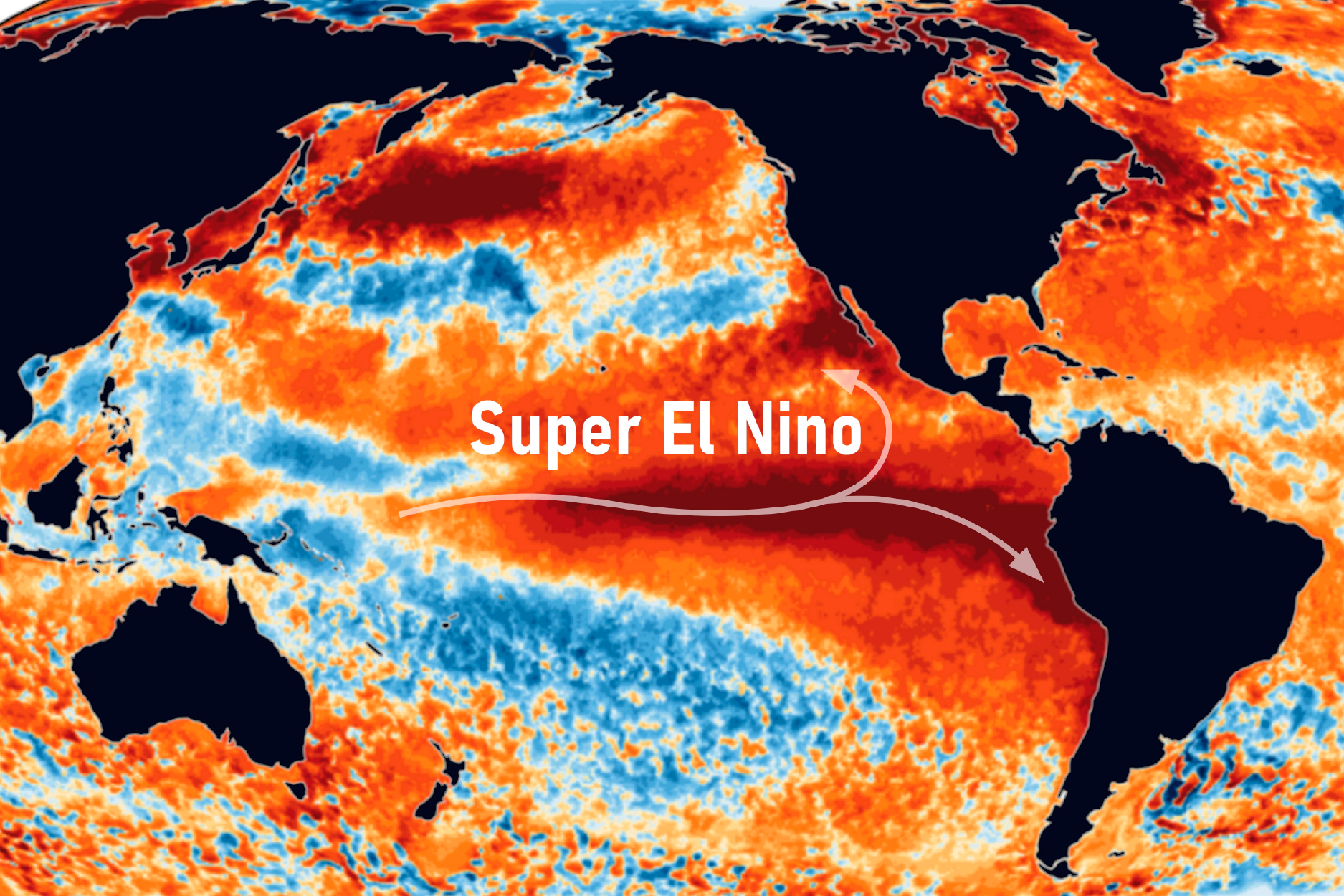
Now the procurement-y bit. For all its complexity, one of the most interesting features of an El Niño is its combination of relative predictability and highly uncertain consequences. Meteorologists can forecast it months ahead, but the effects on global supply networks are much harder to predict. Especially when organisations have time to start responding.
During the 2015–16 El Niño for example, the Philippines government anticipated domestic rice shortages and arranged 750,000 tonnes of imports from Thailand and Vietnam. The result? The climatic threat was real; agricultural production was directly affected, but large stocks, particularly in Thailand, and weak international demand helped keep international rice prices subdued.
This reminds us of some critical challenges – that are too easily forgotten – about resilience. Securing stock and capacity, creating alternative supply options: these are best practice precautions. But what happens if an anticipated event proves much less disruptive than forecast, making precautions look like an expensive overreaction? Or, conversely, what if multiple organisations, especially in one geography, pursue similar strategies? What if everyone in Southeast Asia had tried to buy rice, maybe just as export constraints were introduced?
For procurement leaders, this means looking beyond organisational exposure and contingency plans. What are suppliers, customers, competitors and countries likely to do in response to the same forecast? Which options depend on shared infrastructure or scarce capacity? Where might collaboration – where possible – improve outcomes for everyone?
So, what does El Niño teach us?
Above all, perhaps, no matter how sophisticated our systems are, they are dependent on the planet and its climate. We should prepare, of course, but that must also include thinking about how others might be preparing. Intriguingly, the better we become at anticipating disruption, the more important this collective awareness may become.