
3 ways to make sustainable procurement a reality
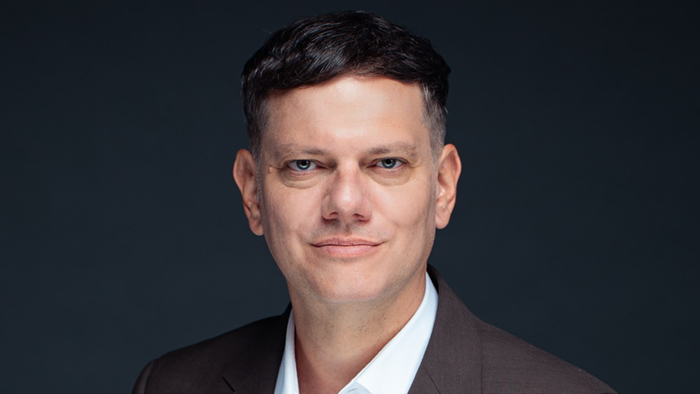
Written by: Maxfield Weiss
Written by: Maxfield Weiss

Job descriptions for procurement and supply chain roles are already changing quite fundamentally. Procurement is increasingly recognised as a driver of value, resilience, and competitive advantage. Sustainability sits right at the centre of that shift. When we talk about sustainable procurement today, we're really talking about the fundamentals of business performance – how contracts are structured, how price and total costs are managed, how suppliers are selected and developed, and how risks are identified. Sustainability is moving from being seen as a constraint to being recognised as a value creator and procurement roles are evolving to reflect this.
Sustainability is being embedded across five core performance dimensions: people, end users, processes, finance, and learning development. In other words, it's not just about what procurement buys, it’s about how teams build capability for themselves, enable suppliers and support the wider organisation.
For a chief procurement officer, this means the role is increasingly overlapping with sustainability leadership, and in many organisations procurement is becoming the function that turns sustainability strategy into operational reality.
There are three practical things I would focus on immediately if I was a procurement professional:
1. Build a business case
Sustainability initiatives don't succeed without executive buy-in. CPOs are increasingly the advocates who connect sustainability to growth, resilience, and competitiveness at the C-suite level.
That means translating ESG into language that business understands: risk reduction, value creation, operational resilience, continuity of supply and long-term performance— including talent attraction and retention. Through contracts, sourcing strategies, and category decisions, procurement shapes how markets behave every day and sustainability is now central to those choices.
2. Expand procurement’s influence
Sustainability doesn't sit in one function, and procurement leaders need more than a business case, they need a seat at the table. As sustainability becomes central tgo value creation and risk management, procurement must operate as a strategic partner at C-suite level.
That means working closely with finance, legal, operations, product and sustainability teams, aligning incentives, contracts and decision-making. Sustainability has to be embedded, not bolted on. Procurement is uniquely positioned to act as an integrator across all functions of the business.
3. Build a legacy through capability
The most effective leaders invest in skills, culture and systems that outlast them. That means equipping teams with the confidence to engage suppliers on sustainability, embedding learning and development into everyday practice and fostering a mindset that values collaboration, innovation and long-term thinking.
What we're seeing in practice is that procurement is stepping into a leadership role, not because it's been given extra responsibility, but because the business now depends on it. Sustainability is a business imperative, and procurement is one of the strongest levers that organisations have to deliver it.
Related articles
Five ChatGPT hacks for procurement professionals
We explore how ChatGPT can help procurement and supply professionals speed up their day-to-day tasks, andshare some cautionary tips when using it.
Emerging trends for AI in procurement
How will artificial intelligence impact the future of procurement? Futurist Graham Norris explains.
4 tips for procuring AI-powered technology
Procuring AI represents an exciting opportunity for the procurement function, but also demands a well-rounded strategy. Here are four key considerations to help you buy safely and smartly.