
Five simple ways to improve warehouse efficiency

Written by CIPS Knowledge & Insight
Written by CIPS Knowledge & Insight
Improving warehouse efficiency is often as much about common sense and the right storage equipment as it is about fancy picking algorithms. So, we have created a list of simple steps you can follow to help give your warehouse an efficiency boost.
1. Embrace technology
The modern warehouse still requires a degree of manual work, but introducing the right technology and automated processes into your warehousing can be a huge boost to productivity.
A warehouse management system (WMS) or an enterprise resource planning (ERP) system with a strong WMS module can improve efficiency by suggesting the best routes and methods for picking or put-away.
Such a system also provides automated pick lists that can be sent to mobile readers and devices to help eliminate mistakes and reduce wasted time and paper, making your warehouse neater and greener.
Using barcode or radio frequency identification (RFID) readers can improve the accuracy of transactions and reduce picking errors – research by the University of Arkansas found that using RFID increased inventory accuracy by 27% in just 13 weeks.
2. Keep it lean
Lean principles have revolutionised the world of manufacturing since their introduction, but these techniques also have a large role to play in inventory management and warehousing.
When it comes to lean inventory management, the premise is simple – use only what you need, and nothing more.
This means that rather than stock-piling products or components that are in high-demand, you should instead look to reduce or eliminate safety stocks and try to get suppliers to deliver smaller quantities more frequently.
While stockpiling can prove profitable in the short-run, it can also leave you with surplus stock that either expires or is no longer in demand if consumer habits change – something that is becoming increasingly frequent.
Having the ability to forecast customer demand is vital to such an approach, and when done right it can help to reduce costs and improve customer service.
3. Optimise labour efficiency
Even if your WMS doesn’t have the ability to generate efficient picking plans, you can still create them manually.
Analyse your material usage patterns, and store high-volume items together near the front of the warehouse to eliminate travel time. Also, store items that are frequently sold together near one another, all of which helps to streamline operations and eliminate picking delays.
Having a standardised workflow can also help by introducing habits in a workforce that follow best practice procedures and promotes uniformity.
Not only does this ensure that everyone is operating in the most efficient way, it can also help with performance benchmarking and identifying any bottlenecks in the process.
4. Organise workstations
Regardless of the level of technology being deployed in your warehouse, having organised workstations is essential for optimising productivity.
Lessons from lean manufacturing can help, with the 5S method one way of ensuring your workstations are as organised as possible.
The 5S method, as the name suggests, has five key tenets: Sort; Set in order; Shine; Standardize; and Sustain — all techniques designed to keep clutter at bay, reduce errors, and improve safety and organisation.
5. Optimise your use of space
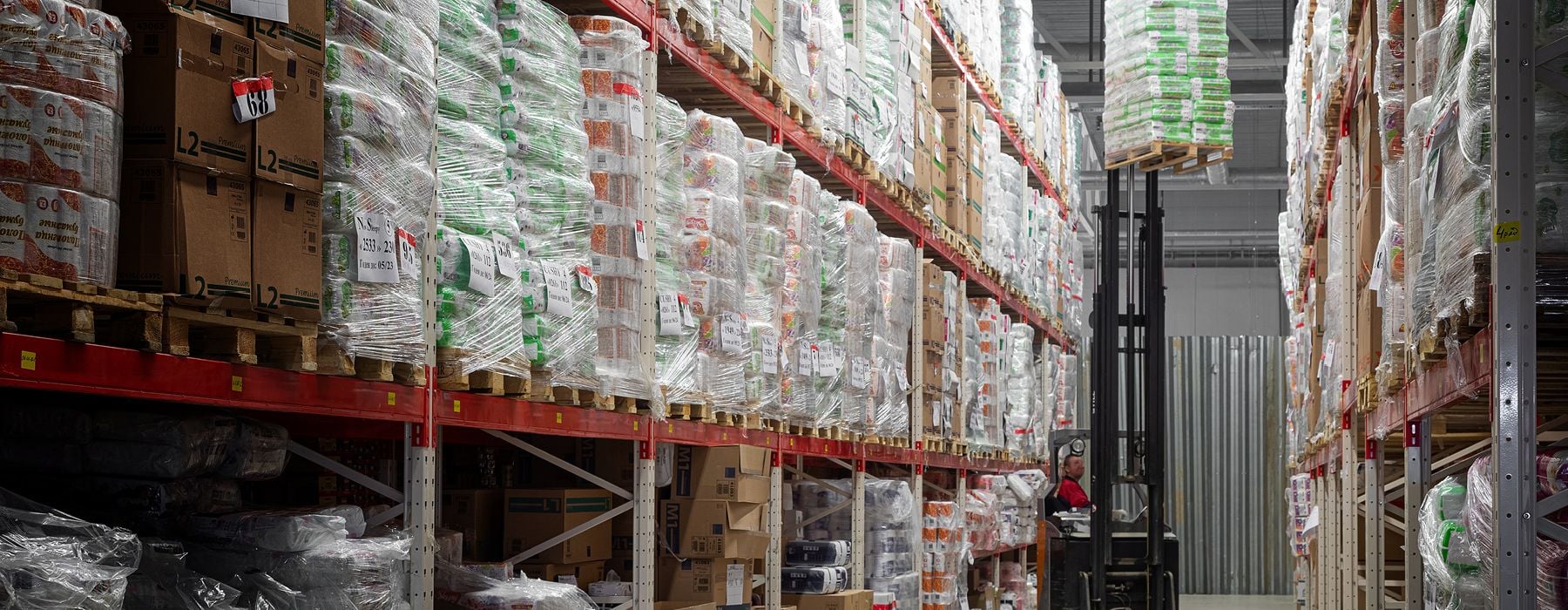
Rather than expand the footprint of your warehouse, consider better use of vertical space. Adding taller storage units and the right equipment to pick and store material can help you keep more in the same square footage, rather than adding expansion costs.
In addition, think about the type and variety of shelving used. Storing small items on pallet racks wastes space, and makes it easy to misplace items.
Rather than using the same racks throughout your warehouse, you may need various types of shelving for different materials. Also, try using standardised bins to help keep shelves neat and orderly.
FIFO is an inventory management system that orders items from oldest to newest so that older items can be selected for picking first. This helps to ensure that goods are prevented from expiring or becoming outdated before they are sold, reducing overall waste and improving profitability.
Related articles
Procurement and supply in a polycrisis world
Dr John Glen discusses the forces shaping procurement and supply in 2024, from stabilising inflation to a reconfiguring of global trade.
The 9 challenges keeping you awake at night
An analysis of the biggest professional challenges facing procurement and supply professionals, according to CIPS members.
Managing risk in 2024: time for a reset?
Procurement and supply leaders discuss strategies to manage risk and build resilience.