
Designing resilient supply chains in an age of uncertainty

Written by: Iain Cameron (FCIPS)
Written by: Iain Cameron (FCIPS)
With conflict affecting regions worldwide, geopolitical unrest, and unprecedented weather events sending shockwaves, we are potentially in the midst of a deeply damaging, prolonged period of uncertainty.
Supply chains, and the people at their heart, face growing risk and pressure as conditions and challenges shift. For procurement professionals, this means being prepared to prevent disruption, not just respond and adapt to it.
Designing resilient supply chains, as Iain Cameron, CIPS Technical Developer and SME, explores here, is key.
Why talk about resilience in general, rather than the latest crisis?
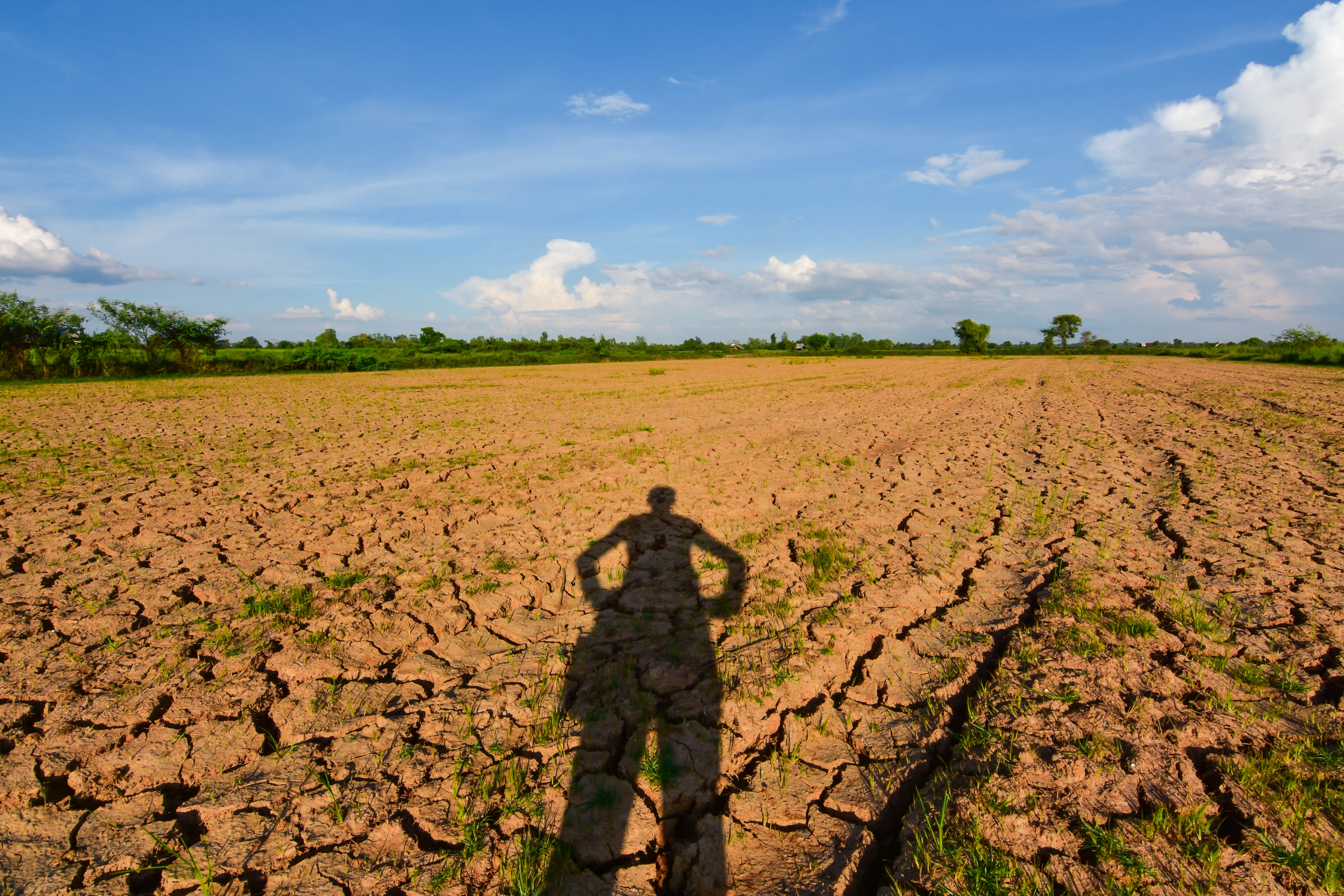
The crises keep changing, but the questions don’t. Over the past months, procurement teams have dealt with disruption from the Middle East conflict, oil consistently at around $100 a barrel, rising borrowing costs and shifting tariffs. The strongest El Niño on record is now affecting supply chains globally. The effects of the war in Ukraine continue, and there has been disruption caused by Red Sea shipping attacks, and cyberattacks that shut down manufacturers for weeks.
Each crisis makes its own headlines. But when you sit down with a procurement team, the questions are almost always the same. Where are we exposed? Which suppliers depend on the same things? What would we do if a critical input stopped arriving, and who would decide what action to take?
If different events keep exposing the same weaknesses, teams should focus on fixing those weaknesses rather than preparing separately for every new threat. That’s what business continuity people call an all-hazards approach. It also prepares you for disruptions you haven’t yet imagined, because the next one won’t look exactly like the last.
So where should an organisation start?
By looking beyond the first tier. Most serious disruption starts upstream. So that could be with a supplier’s supplier, a processor, a power grid failure, or a shipping route you never contract with directly. The Strait of Hormuz closure, for example, has hit organisations that don’t purchase anything from the Gulf region. The invasion of Ukraine affected chipmakers by reducing neon gas availability and affected food producers by limiting access to fertiliser.
It isn’t possible to map everything, and you don’t need to. Consider items that would stop you operating if they didn’t arrive first and trace those back as far as their importance justifies.

Isn't having two suppliers enough?
Only if you could rely on them to not fail at the same time. Having two suppliers in the same drought zone, using the same port, or buying from the same processor gives you far less protection than your supplier list suggests. When Hurricane Helene hit, it closed one North Carolina plant that made about 60% of the IV fluids used in US hospitals. Plenty of buyers thought they had options until that happened.
There’s another element, too. Splitting volume can weaken your relationship with both suppliers. When supply tightens, suppliers prioritise their most important customers. Sometimes one strong relationship with a supplier you understand well is worth more than a dual source strategy.
Does resilience mean holding more stock?
Not across the board. Decades of lean thinking made supply chains efficient but fragile. The answer isn’t to throw efficiency away. It’s to decide, item by item, where extra resilience is worth paying for. That might be safety stock, reserved capacity, a second source or an approved alternative specification. With borrowing as expensive as it is, blanket stockpiling ties up cash without targeting the real risks.
What makes the difference when a crisis hits?
By being prepared to adapt and react in advance. In a crisis, time is the scarcest resource. The organisations that manage crises best have already agreed on three things. They have already understood the signals that would trigger action, planned their response, and identified who can authorise the required actions.
Humanitarian agencies are examples of organisations that already work effectively in this way. For example, the World Food Programme (WFP) releases funding when forecasts hit pre-agreed thresholds. Their evidence shows how acting early makes a real difference for the people they serve. Procurement broadly can learn a lot from that.
Where do suppliers fit in?
At the centre of response. Most of the information you need to understand risks sits with your suppliers and their suppliers, and so does most of the flexibility needed in a crisis. Their willingness to share this information depends on strong supplier relationship management. That means discussing risk before a crisis, paying fairly, and setting realistic expectations.
Contracts matter too. If terms are so one-sided that a supplier can’t cover rising costs or absorb penalties in a crisis, it may simply stop supplying. You’ve won the argument but lost the supply.
Does the cause of the disruption change anything?
It changes how you apply the principles, but the principles remain the same. A sudden shock like a strait closing or a cyberattack gives you no warning, so what matters is what you’ve already put in place. El Niño builds over months, so you can act on forecasts. Some disruptions hit a single choke point. Others hit many regions at once, which means your alternatives may be affected too.
The product matters as much as the cause. Over time, you can move a factory away from a trade barrier or a flood plain. You can’t move where cocoa grows or where minerals are found. For those, it’s about spreading supply across producing regions, building strong relationships, and helping suppliers adapt.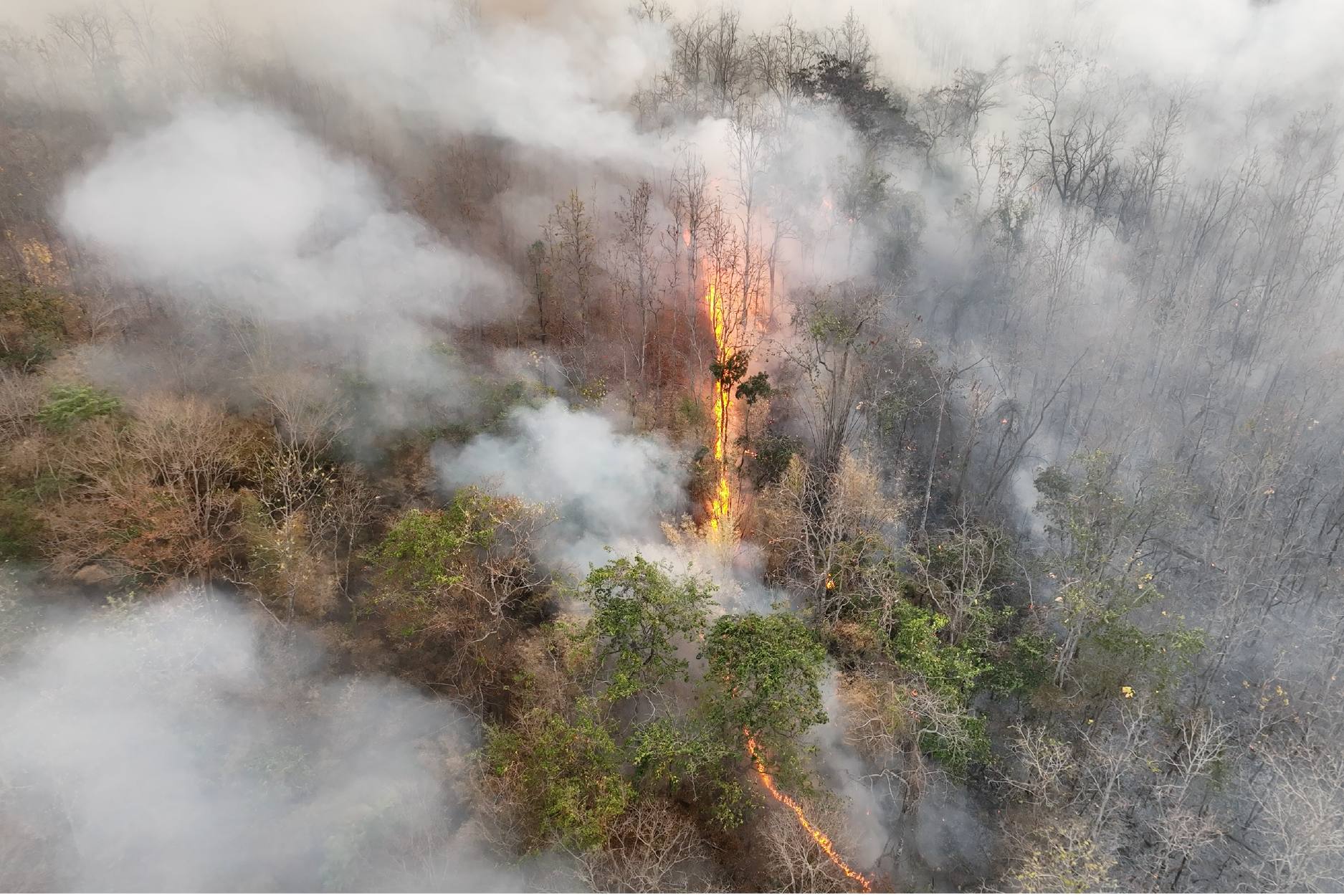
What about the people in the supply chain?
They're often hit first and hardest. Farmers who lose a harvest. Workers in extreme heat. Communities facing higher food prices. Responsible procurement means keeping payment terms fair for vulnerable suppliers and stepping up due diligence when a failed harvest or lost orders leave families short of money. That's when the risk of exploitation, such as child labour, goes up. Helping fundamentally sound suppliers adapt, rather than walking away, is vital.
It also means buying with restraint when supply tightens. Panic buying rarely helps the buyer anyway. It pushes up prices, ties up cash and damages relationships with suppliers trying to share out scarce supply fairly.
If someone takes one thing away, what should it be?
Procurement can’t stop these events. But it can ensure the organisation clearly sees its exposures, has options ready, and knows who will act. Do that, and you face the next crisis with choices, whatever the cause is.