
Kenyan county doubles budget utilisation through procurement transformation
Strategic procurement reforms help turn limited healthcare resources into better access to essential medicines
A Kenyan county has more than doubled its healthcare budget utilisation after a major procurement transformation programme helped strengthen planning, supplier management and financial stewardship across the health system.
Working with CIPS Health Procurement Africa (HPA), the county set out to tackle longstanding procurement challenges that were limiting its ability to convert available funding into medicines, medical supplies and healthcare services. The initiative focused on building stronger procurement systems, improving workforce capability and creating a more strategic approach to managing scarce healthcare resources.
The results have been remarkable. Budget absorption increased from around 40% to 90%, procurement systems were modernised and the availability of essential health products improved significantly.
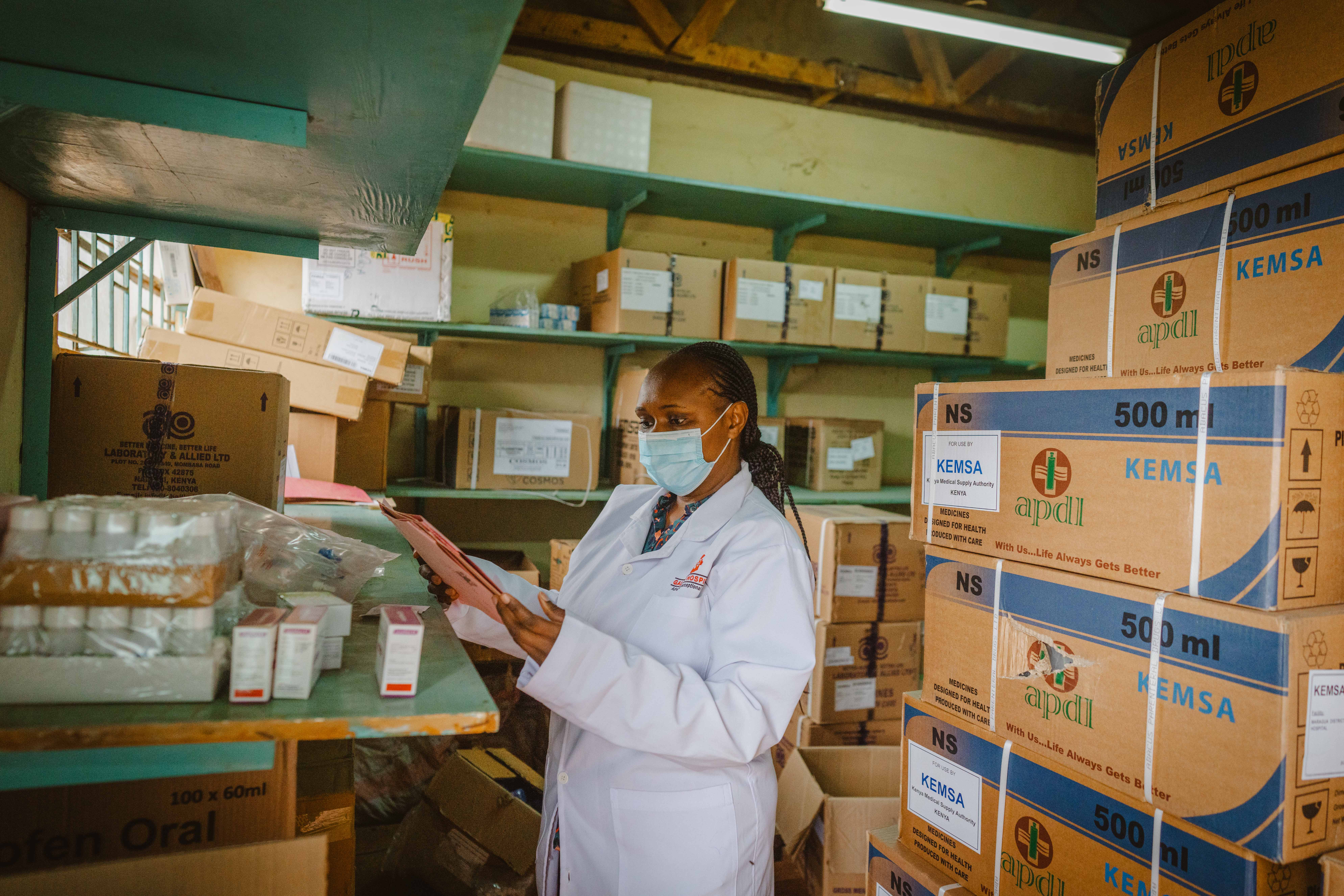
Overcoming Barriers to Effective Healthcare Procurement
Like many health systems across Africa, the county faced a difficult combination of growing healthcare needs and limited resources. Although funding was available, much of it could not be effectively spent before budget deadlines expired, reducing the impact of healthcare investment.
A procurement excellence audit revealed a range of challenges that were affecting performance. Procurement maturity stood at just 1.9 on a five-point scale, reflecting a tactical and largely reactive approach to purchasing. Weak supplier management, poor stock availability, delayed budget disbursements and a reliance on ad hoc local purchasing all contributed to inefficiencies across the system.
The county also lacked many of the structures needed to support strategic procurement, including formal procurement strategies, standard operating procedures and performance measurement systems. Together, these factors limited the county's ability to ensure that funding was translated into timely access to medicines and other essential healthcare products.
A Blueprint for Procurement Excellence
To address these challenges, CIPS HPA worked closely with county stakeholders to implement a comprehensive procurement improvement programme.
The initiative introduced a range of measures designed to strengthen governance, planning and operational performance. These included the development of a procurement strategy, the creation of standard operating procedures, improved forecasting and quantification processes, enhanced supplier relationship management and stronger working capital management practices.
Performance dashboards were also introduced to support data-driven decision-making, while procurement capacity-building activities helped strengthen the skills and confidence of local teams responsible for delivering healthcare supplies.
Rather than focusing on additional funding, the programme concentrated on helping the county make better use of the resources already available.
Turning Resources into Results
The transformation quickly delivered measurable outcomes.
Most notably, budget absorption increased from approximately 40% to 90%, enabling substantially more healthcare funding to be converted into medicines, medical supplies and frontline services. This improvement helped ensure that resources reached patients and healthcare facilities rather than remaining unspent.
The county also strengthened its procurement infrastructure by developing 20 standard operating procedures and establishing two framework agreements. A total of 143 suppliers were incorporated into these arrangements, creating a more reliable and efficient sourcing model that reduced dependence on reactive purchasing.
Enhanced planning and procurement practices further improved stock availability, helping healthcare facilities maintain a more consistent supply of essential medicines and health products.
A Model for Stronger Health Systems
The county's experience demonstrates the difference that effective procurement can make in healthcare delivery. By strengthening procurement capability, improving governance and embedding better processes, the county was able to unlock greater value from existing resources without relying on additional funding.
The success of the programme offers a powerful example of how procurement can move beyond an administrative function to become a strategic driver of health system performance. As health systems continue to face increasing demand and financial pressure, the ability to spend available resources efficiently will be critical to improving patient outcomes and ensuring reliable access to essential healthcare products.
Reflecting on the impact of the programme, Dr Waqo Ejersa, County Pharmacist and Head of HPTU, Murang’a County in Kenya said:
“CIPS HPA has helped us manage our budget absorption. In 2022, we had an absorption of 56%, but last year we had an absorption of 95%. What that means is increased availability of commodities in hospitals and in addition to that, we use that as an advocacy tool to increase our funding year on year”