
Procurement reforms eliminate supplier debt and strengthen healthcare supply chains in Kenya and Nigeria
Public health procurement organisations in Kenya and Nigeria have significantly reduced supplier debt after implementing CIPS Global Standards, improving financial sustainability, strengthening supply chain resilience and supporting better healthcare outcomes.
Supplier debt remains a major challenge for healthcare systems. Late payments and mounting outstanding balances can damage supplier relationships, reduce market confidence and threaten the availability of essential medicines. When supply chains come under pressure, patient care is placed at risk.
Addressing a growing challenge
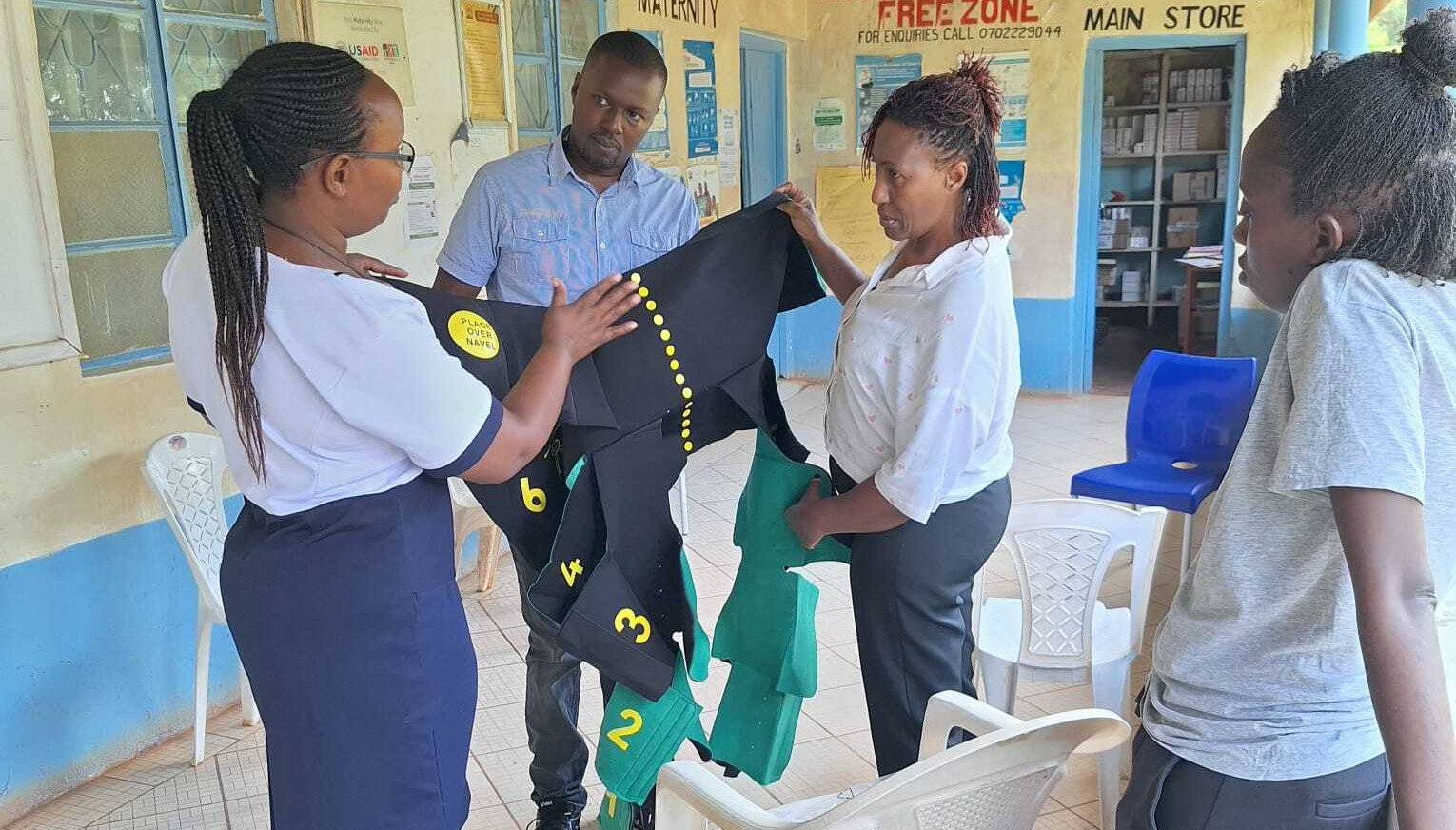
In both Kenya and Nigeria, healthcare systems have faced persistent challenges, including high maternal and child mortality rates, infrastructure gaps, constrained health budgets and weak supply chain management. Growing levels of debt between healthcare purchasing organisations and suppliers were placing additional strain on already stretched systems, limiting operational flexibility and affecting service delivery.
An audit conducted by CIPS Health Procurement Africa (CIPS HPA) identified delayed payment cycles, inefficient sourcing practices and weaknesses in contract management that were contributing to deteriorating supplier relationships. The situation was compounded by large legacy debts and a lack of visibility over outstanding liabilities, making it difficult for organisations to effectively manage and reduce what they owed.
Supported by funding from the Gates Foundation, CIPS HPA worked with organisations to strengthen financial and procurement systems through the implementation of practices aligned with CIPS Global Standards. Improvements included the introduction of invoice ageing analysis, debt reduction strategies and better financial reporting. Alongside efforts to reduce existing debt, organisations adopted more sustainable procurement approaches, including strategic sourcing, supplier relationship management and enhanced procurement planning to address the root causes of the problem.
Significant and sustainable results
The programme delivered substantial results. In Kenya, one county reduced supplier debt from approximately $510,000 to zero. In Nigeria, participating organisations achieved debt reductions ranging from 71.1% to 100%, representing reductions of around $785,000. These improvements have strengthened the financial stability of healthcare supply chains while rebuilding trust and confidence among suppliers.
Reflecting on the impact of the programme, Dr Gatacha, Chief Executive Officer of the Kenya Medical Supplies Authority, said:
"Sometimes the health facilities don’t pay on time so we get a lot of debts there, a few billions of Kenyan shillings. This has caused serious cash flow challenges. We have to be very strategic and transformative in our thinking, and CIPS HPA has helped with that."
Improving healthcare through better procurement
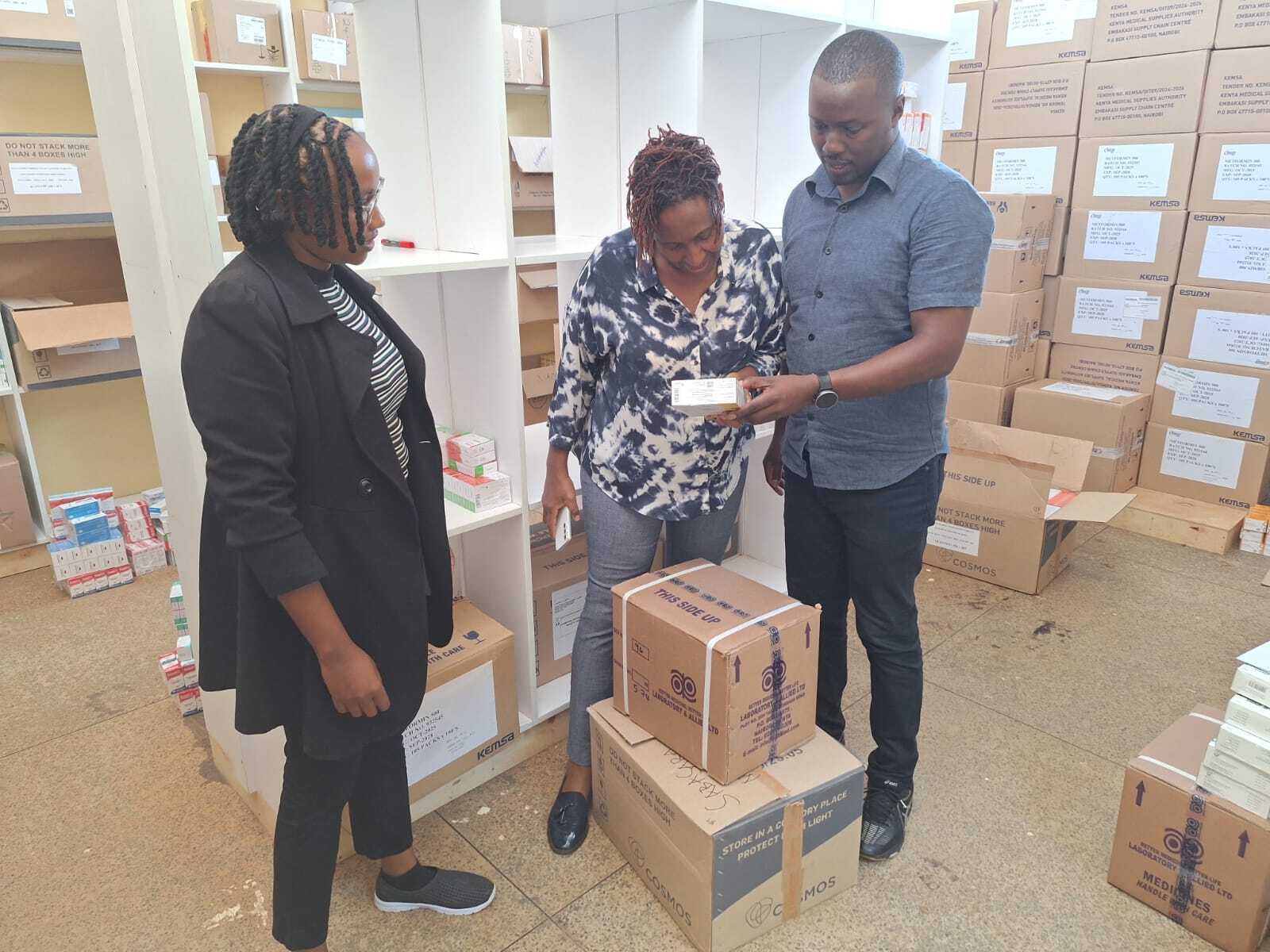
The impact of stronger procurement systems extends well beyond financial performance. Reliable procurement processes help ensure that essential medicines and health products remain available and affordable, supporting frontline healthcare services and improving patient outcomes.
Through the CIPS HPA programme, procurement is playing an increasingly important role in improving healthcare delivery across Africa. By strengthening systems and building procurement capability, organisations are better equipped to ensure critical medicines reach the people who need them, when they need them.
The programme is also contributing to wider health improvements, including reductions in maternal and infant mortality rates of up to 18%, demonstrating how effective procurement can deliver lasting benefits for healthcare systems and communities for generations to come.