
Our previous projects
Unseen
The modern slavery charity, Unseen, will improve data analysis and supply chain intelligence capabilities of its Modern Slavery & Exploitation Helpline. The funding for the year-long project will enable the Helpline to boost its data analysis capabilities with new technology. This will help provide businesses with more timely and accurate intelligence on labour exploitation cases within their supply chains.
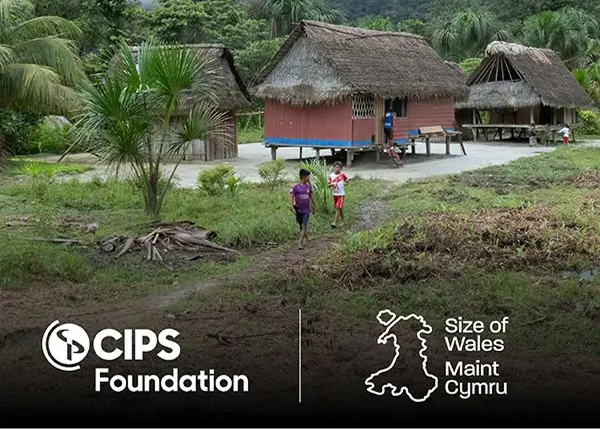
The Size of Wales
Focusing on upskilling procurement and supply chain professionals working for Welsh public bodies and businesses in sustainable practices, the project will raise awareness of the impact of imported products such as palm oil, beef from South America, coffee, cacao and those with embedded soy on tropical deforestation and the associated human rights violations.
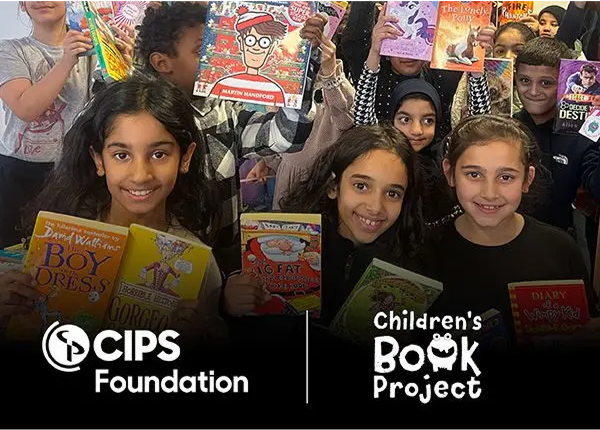
Children's Book Project
The Children’s Book Project supports socio-economically disadvantaged families to make sure children do not miss out on the opportunity to choose and own their own books. The CIPS Foundation is funding a programme to utilise CIPS Advisory Services to help optimise and futureproof the charity’s supply chain processes in a robust and sustainable way.

ActionAid
Research from the charity reveals that 70% of the population in Rwanda is engaged in farming, yet 40% of fresh harvest perishes and goes to waste. One-fifth of the population faces food insecurity, while women farmers face particular disadvantages within agricultural supply chains. They often have limited access to improved agricultural inputs and are cut off from finance schemes and markets.