
Member only library

AI: removing jobs or enabling change? - Wame Sedirwa (MCIPS): The Practitioner
08 May 2026
AI won’t take jobs - it will change skills. People think AI is coming to take their jobs. Not me. There’ll be a shift in the skills required, and we’ll need people who possess them. It’s important that you continue to use your brain for thinking.
AI won’t take jobs - it will change skills. People think AI is coming to take their jobs. Not me. There’ll be a shift in the skills required, and we’ll need people who possess them. It’s important that you continue to use your brain for thinking.
89% name Middle East conflict as top supply chain threat
01 May 2026
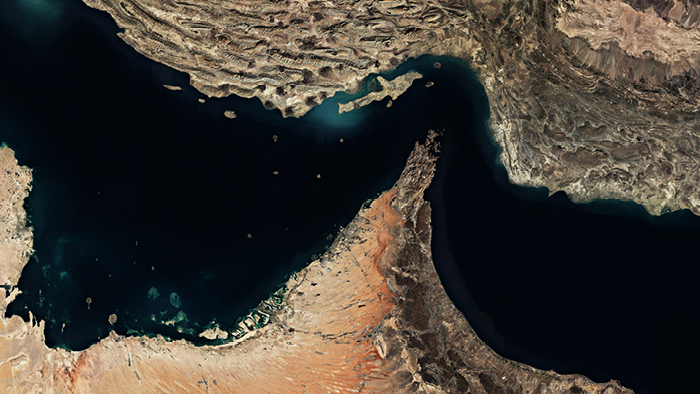
For the first time in over a year, US protectionism and US-China trade tensions have fallen out of the top three risks facing global supply chains. In their place, geopolitical conflict in the Middle East has taken hold as the dominant driver of disruption – and the Q1 2026 CIPS Pulse Survey shows procurement professionals responding with record levels of anxiety and a decisive shift towards resilience.
For the first time in over a year, US protectionism and US-China trade tensions have fallen out of the top three risks facing global supply chains. In their place, geopolitical conflict in the Middle East has taken hold as the dominant driver of disruption – and the Q1 2026 CIPS Pulse Survey shows procurement professionals responding with record levels of anxiety and a decisive shift towards resilience.
The Strait that holds the world to ransom
21 April 2026
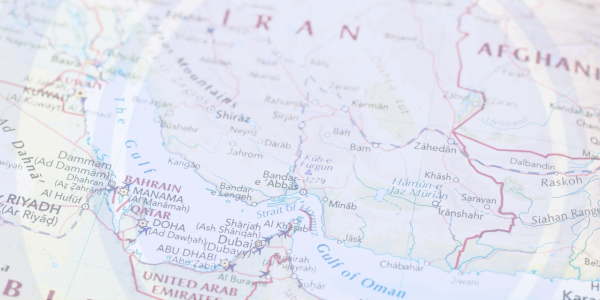
Why the Strait of Hormuz is the single most consequential chokepoint in global supply chains, and what procurement professionals need to understand about the exposure it creates.
Why the Strait of Hormuz is the single most consequential chokepoint in global supply chains, and what procurement professionals need to understand about the exposure it creates.

Using a short-term crisis for long-term planning
13 April 2026
There are changes that can also be implemented now, which will bring benefits in the medium and long term. These can be more difficult to invest in because the financial benefits can be difficult to quantify, but they represent a way to make your organisation more resilient and to anticipate risks before they become problems.
There are changes that can also be implemented now, which will bring benefits in the medium and long term. These can be more difficult to invest in because the financial benefits can be difficult to quantify, but they represent a way to make your organisation more resilient and to anticipate risks before they become problems.

Top three ways companies can manage a procurement and supply crisis
10 April 2026
To borrow a very overused quote, never waste a crisis. CIPS has been talking about understanding a multi-tier supply chain for the last 20 years, and if anything, current events act as a reminder that it will pay dividends. There are three pieces of advice here that all, in some way, relate to having that deep knowledge.
To borrow a very overused quote, never waste a crisis. CIPS has been talking about understanding a multi-tier supply chain for the last 20 years, and if anything, current events act as a reminder that it will pay dividends. There are three pieces of advice here that all, in some way, relate to having that deep knowledge.

Understanding Iran, the Strait of Hormuz and what happens next
09 April 2026
The effect has been immediate and multi-layered. Iran accounts for around 3-4% of global oil production, so even the risk of conflict causes markets to price in what’s called a geopolitical risk premium. This is about 15 to 30 dollars extra per barrel before anything has even happened.
The effect has been immediate and multi-layered. Iran accounts for around 3-4% of global oil production, so even the risk of conflict causes markets to price in what’s called a geopolitical risk premium. This is about 15 to 30 dollars extra per barrel before anything has even happened.